The British Sea Gallantry Medal
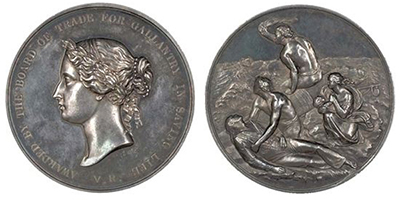
QV Non-Wearable Silver SGM for Gallantry Obverse & Reverse
AWARDED BY THE BOARD OF TRADE FOR GALLANTRY IN SAVING LIFE
The Sea Gallantry Medal (SGM) was officially named, the Board of Trade Medal for Gallantry Saving Life or the Board of Trade Medal for Gallantry Saving Life at Sea, if awarded for humanity). It is British award in gold (none ever issued), silver or bronze for civil gallantry or risk of life at sea. The medal was authorized by Parliament under the Merchant Shipping Acts of 1854 (and later) 1894 and not by Royal Warrant. These two Acts permitted issuance of this award by the Board of Trade (later medals were issued by the Ministry of Transport). Designed by W. Wyon, Engraver to the Royal Mint, the medal was first struck in 1855. The initial version of the award, like that of the one for Foreign Service, was a 56mm non-wearable medal, issued for either humanity (little or no risk of life) or gallantry (significant risk of life).
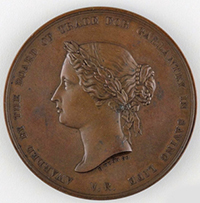
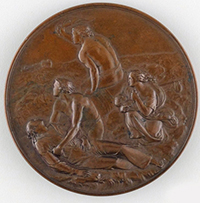
QV Non-Wearable Bronze SGM for Gallantry Obverse & Reverse
AWARDED BY THE BOARD OF TRADE FOR GALLANTRY IN SAVING LIFE

QV Non-Wearable Silver SGM for Humanity Obverse
AWARDED BY THE BOARD OF TRADE FOR SAVING LIFE AT

Large Silver SGM for Humanity Mounted for Wear with Current Ribbon
Awarded to John Park Master of the SS Siberian 1891
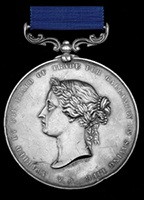
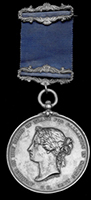
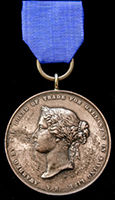
QV Large Non-Wearable Silver and Bronze SGM for Gallantry Privately Modified for Wear with Unofficial Suspension and Blue Ribbon Used by the Royal National Institute for the Preservation of Life from Shipwreck
The First Example Awarded to Joseph Ray Hodgson, The Stormy Petrel of Sunderland
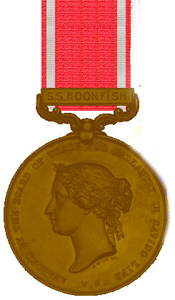
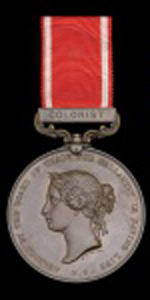
QV Large Bronze SGM's for Gallantry with Bar: SS MOONFISH and with Bar COLONIST Awarded to W. H. Parker for Rescue of the Schooner Herbe in 1890
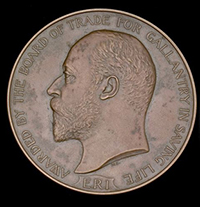
Edward VII Large Non-Wearable Bronze SGM for Gallantry
The original obverse featured the bust of Queen Victoria with the cipher VR (Victoria Regina) on the bottom edge and one of two curved inscriptions around the outer edge, AWARDED BY THE BOARD OF TRADE FOR GALLANTRY IN SAVING LIFE when risk of life was involved and AWARDED BY THE BOARD OF TRADE FOR SAVING LIFE AT SEA for humanity, when risk of life was not involved. In 1903, when modified to a wearable format by Edward VII, the obverse inscription read, FOR GALLANTRY IN SAVING LIFE AT SEA. The reverse depicts three men, one of whom is signaling to a rescuing life-boat in the distance and a woman with a baby, on a raft and a broken spar in a stormy sea.
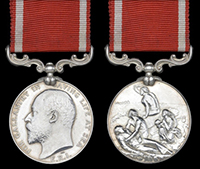
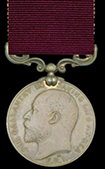
Edward VII Silver and Bronze FOR GALLANTRY IN SAVING LIFE AT SEA
In 1903 after having awarded 52 (19 silver and 33 bronze) of the non-wearable medals, Edward VII had the medal reduced to 33mm and an ornate, scrolled suspension bar and a red suspension ribbon with two white stripes were added. The obverse inscription read, FOR GALLANTRY IN SAVING LIFE AT SEA. The name was changed to the Sea Gallantry Medal (SGM) in 1937 by George V.
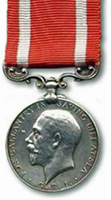
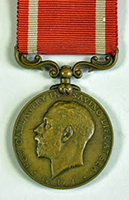
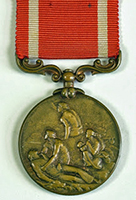
George V Silver & Bronze Medals
FOR GALLANTRY IN SAVING LIFE AT SEA
Recipients are entitled to the post-nominal, "SGM". There have been only two awards of the Sea Gallantry Medal (Bronze) since 1974, one in 1981 and the other in 1989. No Sea Gallantry Medals (Silver) have been awarded during this period. A standard thin silver bar (most likely the conventional laurel spray type) was used to denote each additional award. Such as the case of Mercantile Marine Chief Officer James Whiteley, the only person to earn multiple SGM's. Whiteley received his first SGM for action on October 20, 1917, while serving as Chief Officer of the British SS Colorado, which was torpedoed and sunk by U-boat 31 in the English Channel with the loss of four lives. He was awarded a bar to the SGM on February 6, 1921, almost six years after, for his actions as Chief Officer of the SS Urbino, which was sunk September 24, 1915 by German U-boat 41 while returning from New York to Hull with no loss of life. U-41 was in turn sunk the same day by the British Q-ship Baralong, a heavily armed decoy vessel.
QV Non-Wearable Silver SGM for Gallantry Obverse & Reverse
AWARDED BY THE BOARD OF TRADE FOR GALLANTRY IN SAVING LIFE
The Sea Gallantry Medal (SGM) was officially named, the Board of Trade Medal for Gallantry Saving Life or the Board of Trade Medal for Gallantry Saving Life at Sea, if awarded for humanity). It is British award in gold (none ever issued), silver or bronze for civil gallantry or risk of life at sea. The medal was authorized by Parliament under the Merchant Shipping Acts of 1854 (and later) 1894 and not by Royal Warrant. These two Acts permitted issuance of this award by the Board of Trade (later medals were issued by the Ministry of Transport). Designed by W. Wyon, Engraver to the Royal Mint, the medal was first struck in 1855. The initial version of the award, like that of the one for Foreign Service, was a 56mm non-wearable medal, issued for either humanity (little or no risk of life) or gallantry (significant risk of life).
QV Non-Wearable Bronze SGM for Gallantry Obverse & Reverse
AWARDED BY THE BOARD OF TRADE FOR GALLANTRY IN SAVING LIFE
QV Non-Wearable Silver SGM for Humanity Obverse
AWARDED BY THE BOARD OF TRADE FOR SAVING LIFE AT
Large Silver SGM for Humanity Mounted for Wear with Current Ribbon
Awarded to John Park Master of the SS Siberian 1891
QV Large Non-Wearable Silver and Bronze SGM for Gallantry Privately Modified for Wear with Unofficial Suspension and Blue Ribbon Used by the Royal National Institute for the Preservation of Life from Shipwreck
The First Example Awarded to Joseph Ray Hodgson, The Stormy Petrel of Sunderland
QV Large Bronze SGM's for Gallantry with Bar: SS MOONFISH and with Bar COLONIST Awarded to W. H. Parker for Rescue of the Schooner Herbe in 1890
Edward VII Large Non-Wearable Bronze SGM for Gallantry
The original obverse featured the bust of Queen Victoria with the cipher VR (Victoria Regina) on the bottom edge and one of two curved inscriptions around the outer edge, AWARDED BY THE BOARD OF TRADE FOR GALLANTRY IN SAVING LIFE when risk of life was involved and AWARDED BY THE BOARD OF TRADE FOR SAVING LIFE AT SEA for humanity, when risk of life was not involved. In 1903, when modified to a wearable format by Edward VII, the obverse inscription read, FOR GALLANTRY IN SAVING LIFE AT SEA. The reverse depicts three men, one of whom is signaling to a rescuing life-boat in the distance and a woman with a baby, on a raft and a broken spar in a stormy sea.
Edward VII Silver and Bronze FOR GALLANTRY IN SAVING LIFE AT SEA
In 1903 after having awarded 52 (19 silver and 33 bronze) of the non-wearable medals, Edward VII had the medal reduced to 33mm and an ornate, scrolled suspension bar and a red suspension ribbon with two white stripes were added. The obverse inscription read, FOR GALLANTRY IN SAVING LIFE AT SEA. The name was changed to the Sea Gallantry Medal (SGM) in 1937 by George V.
George V Silver & Bronze Medals
FOR GALLANTRY IN SAVING LIFE AT SEA
Recipients are entitled to the post-nominal, "SGM". There have been only two awards of the Sea Gallantry Medal (Bronze) since 1974, one in 1981 and the other in 1989. No Sea Gallantry Medals (Silver) have been awarded during this period. A standard thin silver bar (most likely the conventional laurel spray type) was used to denote each additional award. Such as the case of Mercantile Marine Chief Officer James Whiteley, the only person to earn multiple SGM's. Whiteley received his first SGM for action on October 20, 1917, while serving as Chief Officer of the British SS Colorado, which was torpedoed and sunk by U-boat 31 in the English Channel with the loss of four lives. He was awarded a bar to the SGM on February 6, 1921, almost six years after, for his actions as Chief Officer of the SS Urbino, which was sunk September 24, 1915 by German U-boat 41 while returning from New York to Hull with no loss of life. U-41 was in turn sunk the same day by the British Q-ship Baralong, a heavily armed decoy vessel.

 Website Maintained by